
CppCon 2023 Is std::mdspan a Zero-overhead Abstraction? -- Oleksandr Bacherikov
 Registration is now open for CppCon 2023! The conference starts on October 1 and will be held in person in Aurora, CO. To whet your appetite for this year’s conference, we’re posting some upcoming talks that you will be able to attend this year. Here’s another CppCon future talk we hope you will enjoy – and register today for CppCon 2023!
Is std::mdspan a Zero-overhead Abstraction?
Wednesday, October 4 • 15:15 - 16:15
by Oleksandr Bacherikov
Summary of the talk:
C++23 introduces std::mdspan into the standard library as a view over multi-dimensional arrays. This talk will try to establish some of the best practices for using mdspan, and highlight subtleties to be aware of. Taking some basic matrix and image operations, we'll compare the generated assembly to low-level implementations similar to BLAS, and check if mdspan can be used in a way to avoid any overhead. We'll discuss how the results are affected by mdspan design decisions and ABI limitations.
 Now that we understand the design behind the common STL dequeue implementations, we can peek into the implementation details.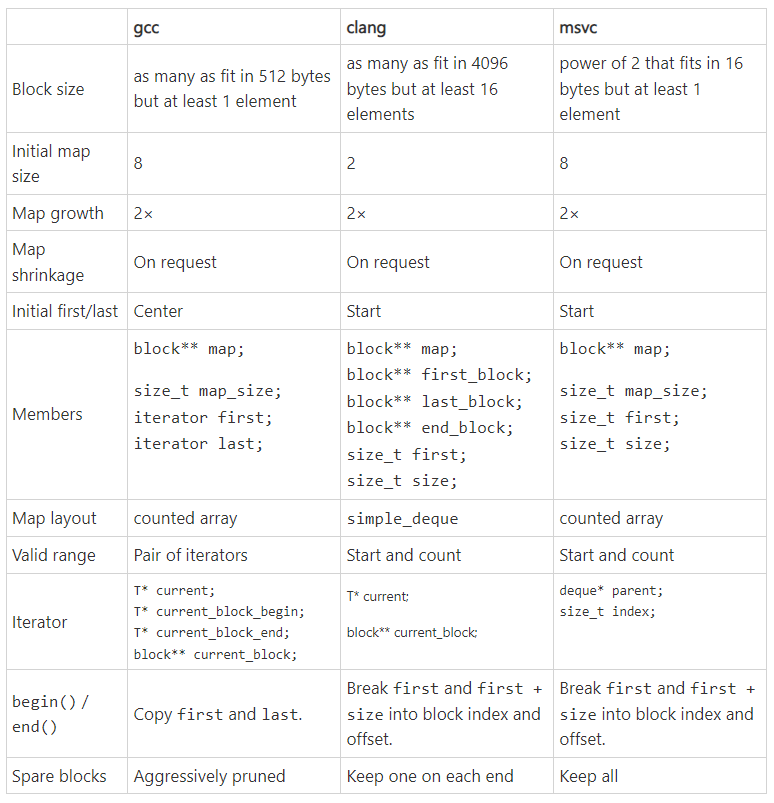
 Registration is now open for CppCon 2023! The conference starts on October 1 and will be held
  Registration is now open for CppCon 2023! The conference starts on October 1 and will be held
  Registration is now open for CppCon 2023! The conference starts on October 1 and will be held
  Registration is now open for CppCon 2023! The conference starts on October 1 and will be held
  Registration is now open for CppCon 2023! The conference starts on October 1 and will be held
  Registration is now open for CppCon 2023! The conference starts on October 1 and will be held