
WG21 Varna Trip Report -- David Sankel
David Sankel discusses about the developments at the June 2023 ISO C++ standardization meeting in Varna.
by David Sankel
About the report:
In detail he speakes about std::simd, std::inplace_vector, and other developments.
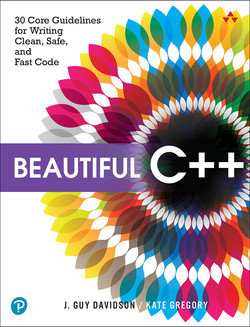 This is a book review of “Beautiful C++,” written by two well-known C++ experts and educators: Kate Gregory and Guy Davidson. The book’s unique style gives us a valuable perspective on effective and safe C++ code.
 A new episode of the series about SObjectizer and message passing:
 In our previous discussion, we explored a task-based while loop employing custom callables that passed copies of themselves to the next iteration, which follows the continuation-passing style used in the Parallel Patterns Library (PPL). In this session, we will implement the same function using a more traditional recursive approach, aiming to simplify the sharing of state between lambda callables in PPL-style programming.
 A new episode of the series about SObjectizer and message passing:
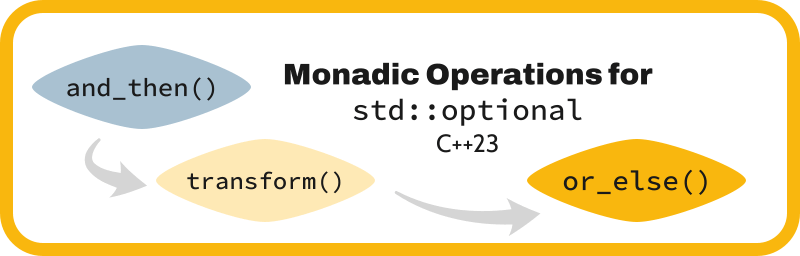 In this post we’ll have a look at new operations added to