PVS-Studio in CMake: It's official now
If you're working on a cross-platform project in C or C++, you usually don't rely on a single build system, but instead use a build script generator. CMake, the most popular one, has recently been officially integrated with PVS-Studio static analyzer for these languages.
PVS-Studio in CMake: It's official now
by Taras Shevchenko
From the article:
Using the built-in integration to analyze code limits your options for interacting with the analysis results: the PVS-Studio report is not saved, since source code files are analyzed individually. So, the report conversion via plog-converter is unavailable, but you can aggregate analyzer warnings in CDash—a test result monitoring system also developed by Kitware. The developers on the CMake team did just that—you can see the result of the integration here.
 Even experienced C++ developers sometimes stumble on a deceptively simple question: what actually happens when a destructor throws an exception? This post breaks down the mechanics behind stack unwinding,
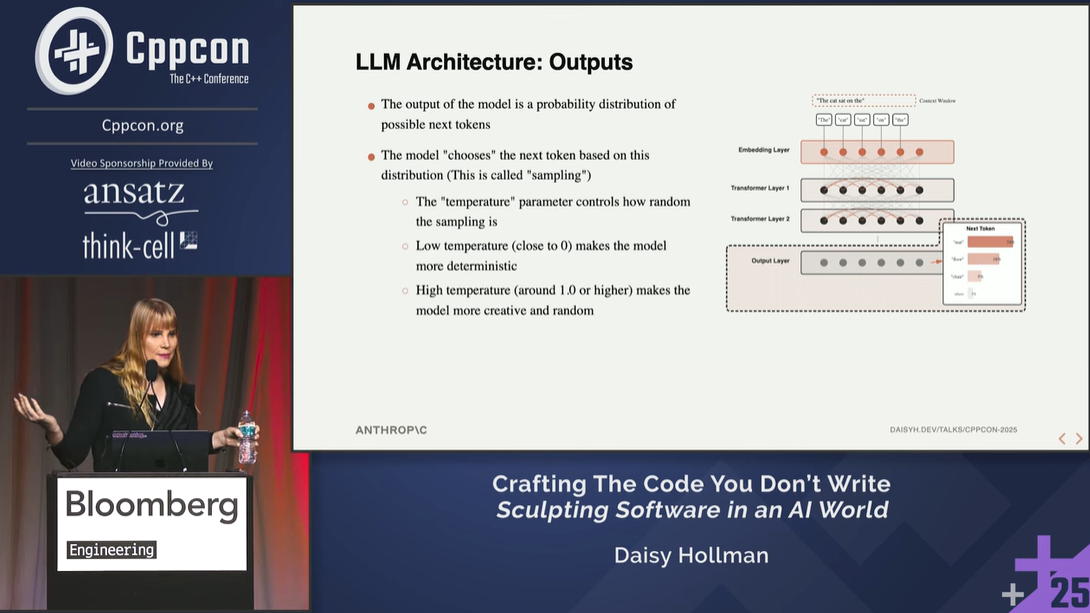 Registration is now open for CppCon 2026! The conference starts on September 12 and will be held
 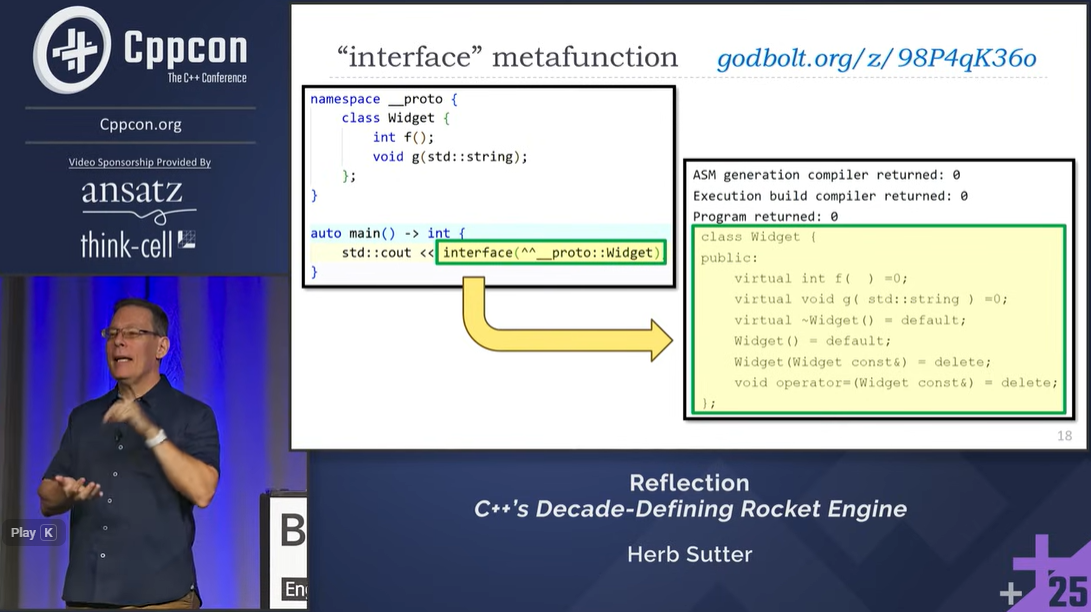 Registration is now open for CppCon 2026! The conference starts on September 12 and will be held
  Registration is now open for CppCon 2026! The conference starts on September 12 and will be held
