A first look at the program of Meeting C++ 2026
With the voting on the talks ending on Sunday, Meeting C++ has now published its program, take a look at the talk listing.
A first release of the program for Meeting C++ 2026
by Jens Weller
From the article:
With the voting ending on Sunday, there is now a first overview on the program of Meeting C++ 2026 available!
As early bird tickets are selling out, its time to get your tickets!
You can take a look at the accepted talks, this is the main track:Robert Leahy - What Are We Synchronizing?
Ivan Čukić - Contracts and hardened libraries - a bright future for C++ safety?
Henrik Vallgren - Compile time is the future of Automotive Software
Dawid Zalewski - C++26 static reflection: All you need is annotations
Andreas Fertig - When Your Compiler Runs Your Code
Matt Godbolt - Compiler Explorer in 2026: Sandboxes, Storage & Strangers' Code
Antoine Morrier - Thread-safety compile-time guaranteed in C++
Daniela Engert - Same C++, but quicker to the finish line
Giuseppe D'Angelo - Not-so-trivial relocation in C++
Guy Davidson - Profiles are coming
Klaus Iglberger - Design Patterns - The Most Common Misconceptions (3 of N)
 We continue our deep dive into memory mechanics. If you are just joining us, I recommend reviewing the foundations first. The first part covered the basics and the magic of simple data alignment, while the second part focused on how ordinary inheritance affects memory layout.
 On Tuesday morning, September 15, the CppCon main stage will host a Language Designers Panel featuring three of the people who decide what the languages you use every day actually become:
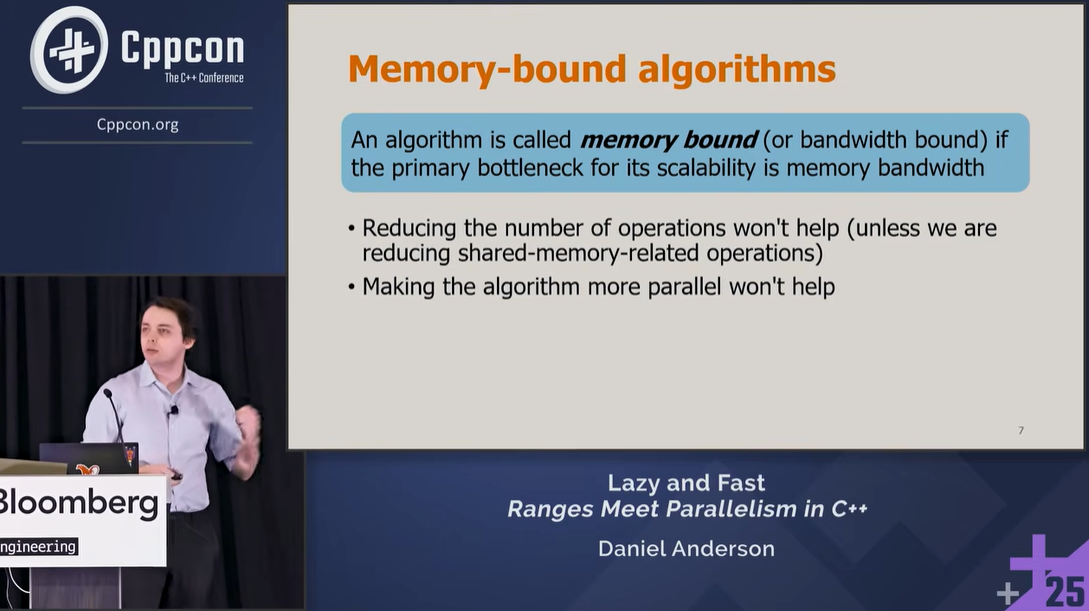 Registration is now open for CppCon 2026! The conference starts on September 12 and will be held
  Let’s continue our exploration of C++26 improvements. Today we focus on
 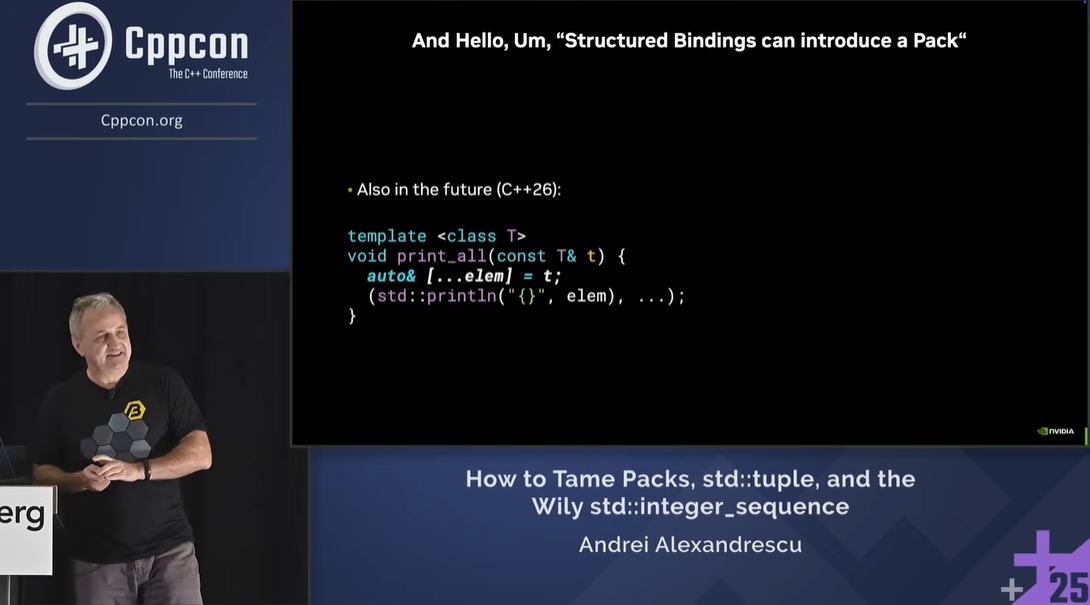 Registration is now open for CppCon 2026! The conference starts on September 12 and will be held
  GCC 16 is about to be released, so I'm sharing some of the new features I worked on this year. Some changes are visible to users, while others improve the system more subtly.
